



Alkali-silica reaction (ASR)
Alkali-silica reaction (ASR), commonly known as ‘concrete cancer’ is an expansive reaction that can occur over time between aggregate constituents and alkaline hydroxides from cement. This can cause damage to the hardened concrete in a building, and can necessitate significant remedial works or even demolition.
ASR is the most common form of alkali-aggregate reaction (AAR) in concrete. Another, less common, form is alkali-carbonate reaction (ACR). For more information, see Alkali-aggregate reaction.
The primary cause of ASR is a reaction between the alkaline cement’s hydroxyl ions and some aggregate’s reactive forms of silica. This produces a hygroscopic gel which expands on the absorption of water, imposing pressure on the surrounding concrete and weakening it in a way similar to a freeze-thaw action. Cracking is a particular risk in unreinforced concrete.
ASR can occur when the cement has a high alkali content and there is a reactive aggregate such as chert. In addition, it requires the presence of water in the concrete.
ASR is best detected by examining concrete in thin sections using a microscope, as the gel may be present in cracks and within aggregate particles. Techniques that can be adopted to try and reduce the likelihood of ASR include the use of low-alkali Portland cement, and the introduction of pozzolans to the concrete mix. The addition of pozzolans reduces the alkalinity of the pore fluid as the amount of cement in the mix is lowered.
[edit] Find out more
[edit] Related articles on Designing Buildings Wiki
Featured articles
Check out some of the best features and news from Designing Buildings as well as key stories from around the web.
Become a Professional Development Partner

CIOB launches a new framework for staff development and chartered membership.
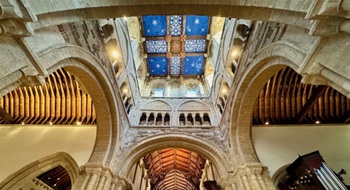
Dorset's first conservation campaigner?
Gov.uk - Hot-rolled steel plate

New anti-dumping measure imposed on South Korea.
ECA responds to the Milburn Report
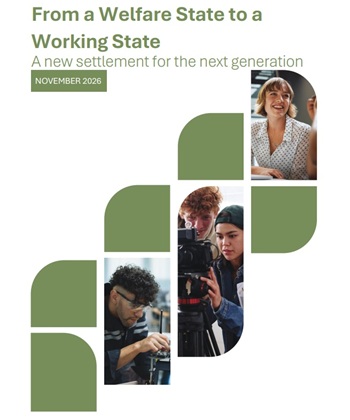
Youth employment to be linked to workforce demand.
The construction industry urgently needs to attract new talent
CIOB responds to Neets report.
Grenfell Tower community update

Memorial columns to be retained as careful dismantling continues.
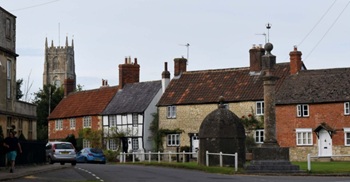
When buildings reflected the local resources available.

CIOB reports 57% are using artificial intelligence technologies.
More of England’s ‘hidden heroes’ will be celebrated.

CIAT calls for retrofit to be a priority.
Version 6 is now available, along with guidance for ECA members.
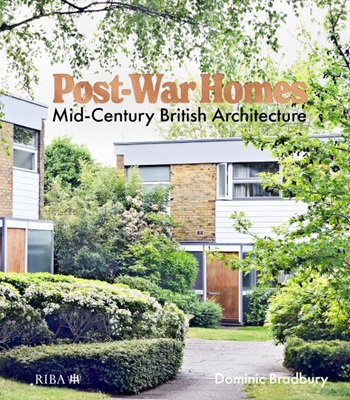
Post-War Homes: mid-century British architecture. Book review.